
Before we dive into How to Move On After a Heartbreaking Breakup: A 7-Day Healing Blueprint… For a long time, I was the “observer” in my friend group. I didn’t date often, and when I watched my friends navigate the wreckage of their relationships, I’ll be honest: I didn’t fully grasp the magnitude of their pain. I didn’t understand how a single person leaving your life could feel like the world was ending.
Then, it happened to me.
I quickly learned that breakup pain isn’t just emotional; it’s physical, all-consuming, and—especially if the split is unexpected—it feels like a sudden collision you never saw coming. It’s a unique kind of grief that can temporarily hijack your brain and your life.
Moving Beyond the “Ice Cream & Alcohol” Stereotype
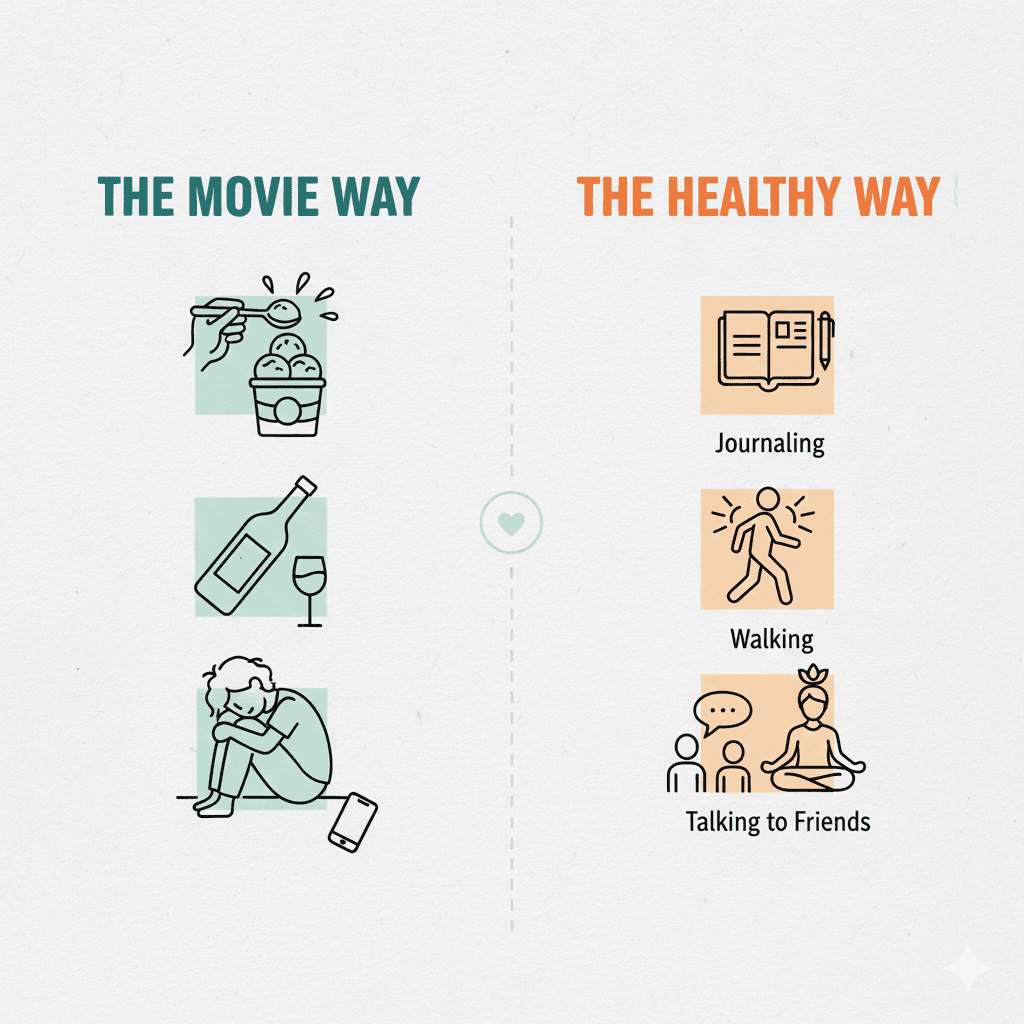
When the dust settled on my own heartbreak, I looked at the “prescriptions” the media usually offers. We’ve all seen the movies: the protagonist sitting on a couch with a gallon of ice cream, a bottle of wine, and a sad playlist on repeat. While that might feel good for ten minutes, I knew that drowning my feelings in sugar and alcohol wasn’t a sustainable way to heal.
Having spent years developing stress-management techniques for other areas of my life, I decided to treat my heartbreak with a different approach. I wanted to see if I could navigate the healing process in a way that was faster, healthier, and more intentional. By applying a structured, 7-day mindset shift, I was able to find my footing again much sooner than I ever thought possible. If you are currently in the thick of it, feeling like you’ll never move on, here is the blueprint I used to reclaim my life.
The 7-Day Breakup Recovery Protocol: How to Heal Faster
Moving on isn’t about forgetting; it’s about processing. Here is the 8-step framework I used to move from total devastation to a place of peace in just one week.
1. Master the “Breakup Grief Cycle”
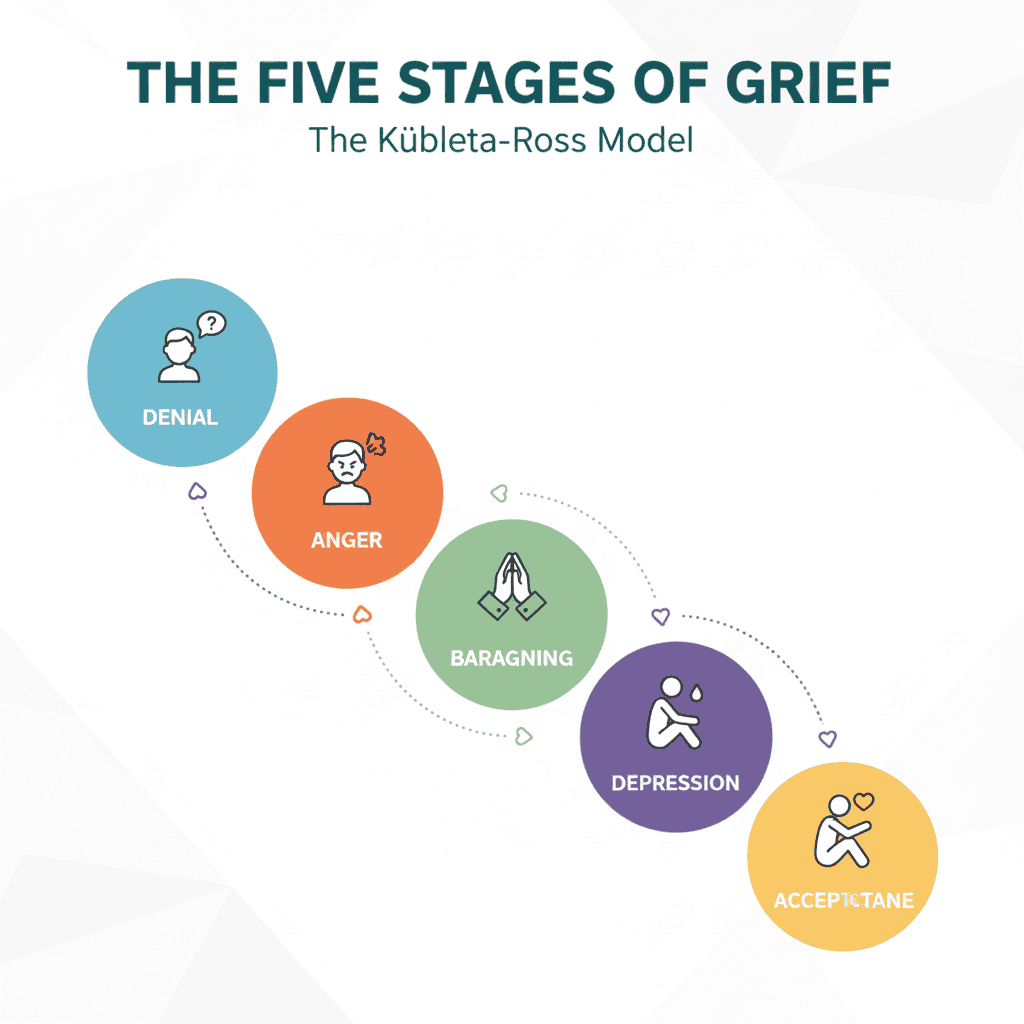
To move forward, you must understand the roadmap of your own emotions. A psychiatrist named Elisabeth Kübler-Ross developed a model for sudden loss that applies perfectly to the end of a relationship. Understanding this ensures you don’t feel “crazy” when your mood swings.
- Denial: Your brain tries to protect you by making the breakup feel like a dream.
- Anger: You might feel a surge of rage toward your ex or the situation. Pro-tip: Acknowledge the anger, but don’t “stew” in it—it’s a secondary emotion covering up the hurt.
- Bargaining: This is the dangerous “Never Text the Ex” phase. You might find yourself willing to change your entire personality just to get them back. Resist this; most “recycled” relationships fail for the same reason they did the first time.
- Depression: This is the “heavy” phase where reality sinks in. It’s the most important time to avoid junk food and isolation.
- Acceptance: This is the goal. It’s the moment you realize that you will be okay alone.
2. Curate Your Inner Circle (The “Rule of Three”)
Don’t broadcast your pain to everyone, but don’t bottle it up either.
- The Strategy: Choose 2–3 trusted friends or family members who are allowed to hear the “obsessive” details for the first few days.
- The Alternative: if you aren’t ready to talk, use a breakup journal. Getting the “daft” thoughts out of your head and onto paper prevents them from looping in your mind.
3. Use Visualization Meditation for Closure

If your relationship ended suddenly (especially an international or long-distance one), you might feel a lack of closure. I used meditation to create my own.
- The Exercise: Close your eyes and visualize your ex in a room. Approach them, say what you need to say, and hug them one last time. Then, imagine them getting smaller and smaller until they vanish into the distance.
- Why it Works: It signals to your subconscious that the “attachment” is being severed in a healthy, controlled way.
4. Schedule Your “Grief Windows”
Crying is a biological necessity—it actually releases oxytocin and endogenous opioids (natural pain relievers).
- The Advice: Find a safe, private space where you won’t be interrupted. Let the “uncontrollable” crying happen. It is better to feel it intensely now than to have it leak out as irritability or anxiety for the next six months.
5. The “No-Rebound” Policy
The temptation to “get under someone to get over someone” is high, but it’s a trap.
- The Risk: Rebounding usually prolongs the grieving process because you are using another person as an emotional band-aid. Use this week to get to know yourself again.
6. The “Dopamine Diet” and Movement

This is the most critical piece of advice. Your emotional resilience is directly tied to your gut health and activity levels.
- The Menu: Cut out processed sugars and alcohol (depressants). Focus on fresh fruits, vegetables, and nuts.
- The Movement: Even if it’s just a 20-minute walk or a swim, force yourself to move. Exercise floods your brain with the endorphins your ex-partner used to provide.
7. Digital Detox: The Social Media “Reduction Plan”
“Face-stalking” is digital self-harm.
- The Tactic: If you can’t go “Cold Turkey,” try a reduction plan. Count your “checks” today. Tomorrow, aim for half that number.
- The Goal: Eventually, you want to reach a point where you aren’t looking at their digital footprint at all. Whether you delete them or just “Mute” them, do what protects your peace.
8. Strategic Communication (The “Power Balance”)
While most experts say “No Contact,” I believe a final, strategic message can help—if you are in the right mindset.
- The Golden Rule: Never contact them during the “Bargaining” phase.
- The Approach: If you have unanswered questions, ask them calmly. However, if they aren’t receptive or don’t reply, do not send a second message. Your goal isn’t reconciliation; it’s information-gathering for your own closure.
FAQ: Common Questions About Moving On
Q: How long does it actually take to get over a breakup?
A: There is no set timeline, but using a structured approach like this 7-day protocol can significantly reduce the “acute” pain phase.
Q: Should I stay friends with my ex on Instagram?
A: If seeing their face triggers a “pit” in your stomach, hit the mute or unfollow button. You can always reconnect when you’ve reached the “Acceptance” stage.
